4.8 / 5
Customer
Satisfaction






Fire department connection (FDC) equipment can play a critical role in a fire protection system’s water supply in the event of a fire. Designed to provide essential or supplemental water to a fire sprinkler system and/or standpipes, FDCs allow firefighters to connect hose lines and deliver pressurized water in an emergency.
At QRFS, we offer a wide selection of FDC equipment designed and manufactured to meet various system needs, code requirements, and jobsite demands. Whether you need a freestanding Siamese FDC, a flush wall-mounted unit, replacement parts and accessories, or something else, you’ll find dependable FDC products built for long-term performance and reliability.
Fire department connections are located on the outside of a building, typically on a wall or freestanding in front of the building, where fire trucks can easily access them. During an emergency, a firefighter can connect a hose to the FDC, allowing the department to provide essential or supplemental water and maintain adequate pressure in a fire sprinkler or standpipe system.
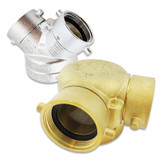
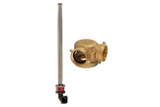
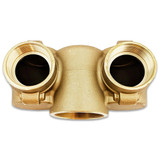
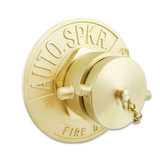
We carry multiple fire department connection types to meet your system design requirements, including:
Available with a single clapper or double clapper and in various sizes and thread standards, each unit is designed to handle demanding pressure requirements and provide a secure connection. Whether your project involves a new system or a retrofit, our selection of FDC equipment ensures code-compliant performance and reliable water flow.
Our FDC equipment is engineered to integrate seamlessly into your fire protection system design. From flush units with a sleek finish to rugged freestanding inlet assemblies, every product is built to withstand environmental exposure and facilitate quick firefighter connections.
All products are selected for durability, corrosion resistance, and long service life. Whether you're specifying equipment for a commercial building, warehouse, multi-family property, or another structure, we make it easy to find FDC equipment that meets local codes, standards, and requirements set by the authority having jurisdiction (AHJ).
FDC accessories help protect your connection points and ensure readiness in the event of a fire. QRFS carries a range of FDC parts designed to improve visibility, prevent debris intrusion, and maintain compliance, including:
These components help keep inlets clear, ensure swivels stay functional, and clearly mark the connection point for arriving fire department crews. Properly installed FDC accessories reduce response times, ensure firefighters can quickly connect hose lines, and avoid inspection violations.
When reliability, performance, and code compliance matter most, trust QRFS to supply the equipment your project demands. In addition to FDC bodies, preassembled fire department connections, and FDC components, we stock a wide inventory of other fire protection equipment for various applications and systems. Check out our selection of:
You can also return to the QRFS home page to view our complete inventory.
What is a fire department connection (FDC), and why is it important?
A fire department connection (FDC) is a piece of equipment located outside of a building that allows firefighters to quickly connect hoses and supply essential or supplemental water and pressure to sprinkler and standpipe systems during a fire. These access points ensure that a fire protection system can sustain adequate pressure and flow when they are needed most. Properly functioning FDCs are critical to compliance with life safety, fire protection, and building codes and standards.
What are the main components of an FDC?
FDCs consist of several key parts, including the body, swivels and inlets with gaskets where hoses connect, clappers that direct water and prevent leakage and backflow, and signage for identification. Protective caps or plugs keep out debris and help ensure the connection functions when needed. These components work together to deliver water into a system reliably.
How do I know what size FDC I need for my building?
The correct size and connection type of an FDC are essential because local fire hoses (potentially with adapters) must match the inlet's threads and diameter. Most commercial FDCs use 2-1/2 in. National Standard Thread (NST), while some jurisdictions may require 3 in. or other sizes with unique thread standards, such as NYFD. Residential systems may use 1-1/2 in. sizes. Always measure the interior diameter of an existing inlet or consult your local fire department to determine the right size and connection type.
What’s the difference between an FDC cap and an FDC plug?
Caps and plugs both protect an FDC inlet from debris, but they differ in installation and function. Plugs thread into the swivel and often include a chain, providing a secure seal, while caps cover the inlet, are secured with eyebolts, and are often breakable for rapid firefighter access. The right choice depends on local fire code requirements, whether theft deterrence is a priority, and other factors.
Are some FDC parts more prone to theft, and how can I prevent that?
Yes, outdoor FDC parts like brass plugs and swivels are sometimes stolen because of their scrap value, which can compromise fire safety and code compliance. Using alternative materials such as breakable aluminum or plastic caps or aluminum plugs can deter theft while still protecting the connection.
Why is it important to keep an FDC covered?
Keeping an FDC covered with the correct cap or plug prevents dust, dirt, debris, and moisture from entering the piping, which can otherwise obstruct water flow and hinder firefighting operations. Missing or damaged covers can also lead to failed fire inspections and code violations. Proper caps or plugs protect your system and help ensure reliable performance in emergencies.
What should I do if my FDC swivel is broken or missing?
If an FDC swivel is damaged or missing, it can prevent firefighters from attaching hoses and compromise your system’s performance. Replacing a swivel typically involves removing the old component (if present), installing a new gasket and bearings, and ensuring it rotates smoothly. Swivels and related parts are available as replacement kits and are much less expensive than replacing an entire FDC assembly.
How often do FDCs need maintenance and inspection?
FDC maintenance includes regular inspections, with NFPA 25 requiring quarterly checks to confirm that components such as caps, plugs, swivels, gaskets, and signage are in place and functional. Additionally, a hydrostatic test of the FDC piping should be performed at least once every five years to verify its ability to withstand fire apparatus pump pressure. These simple maintenance measures help ensure an FDC will perform when needed. Always consult a qualified fire protection professional to ensure all inspection, testing, and maintenance tasks are completed on time and documented.