4.8 / 5
Customer
Satisfaction








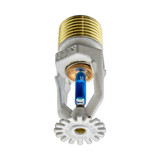
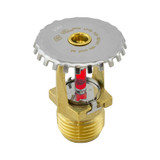
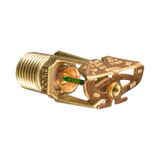
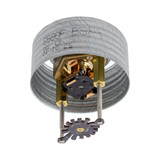
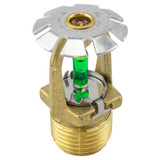
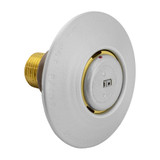
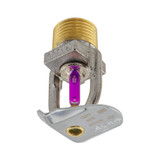
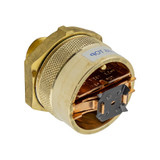
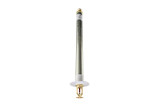
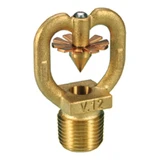
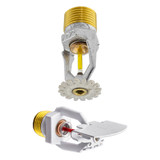
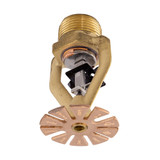
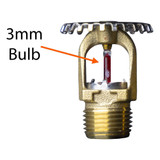
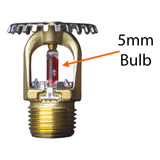
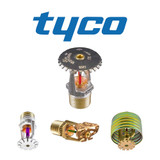
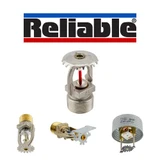
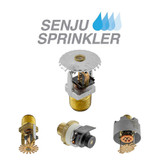
Fire sprinkler heads are the frontline defense of any fire sprinkler system, built to detect heat and activate with life- and property-saving speed and impact. Whether you're outfitting a residential or commercial building, replacing a damaged or activated sprinkler, or sourcing parts for inspection compliance, QRFS offers the industry’s deepest catalog of fire sprinkler heads for sale, with the most popular models in stock and ready to ship.
We carry trusted brands, including Reliable, Viking, Tyco, Senju, and Victaulic, offering various activation temperatures, coverage types, listings, and installation compatibilities.
Fire sprinkler heads for every application and configuration
No two buildings or sprinkler systems are exactly the same. That’s why QRFS stocks and can source a broad selection of fire sprinkler head types to match any fire protection need:
Each head UL Listed and/or FM Approved—generally and for specific applications—and made by the most trusted sprinkler manufacturers in the industry.
Concealed pendent and sidewall fire sprinkler heads
If your building requires a clean, low-profile look, QRFS offers a complete line of concealed fire sprinkler heads and matching cover plates. These sprinklers hide within ceilings or walls until the covers are activated by heat, at which point the plate detaches. The sprinkler then deploys and activates at a slightly higher temperature.
We carry:
QRFS offers concealed models in both quick response and standard response, as well as standard and extended coverages, various K-factors, and additional configurations that meet the specific requirements of residential and commercial installations.
Fire sprinkler head replacement made simple
Need to replace an activated, damaged, loaded, or painted fire sprinkler? QRFS simplifies fire sprinkler head replacement by providing:
If your system was flagged during inspection and you need replacement sprinklers, don’t risk noncompliance or impaired parts during a fire. Our support team can help identify the exact fire sprinkler heads you need, even if your models are old and don’t have a sprinkler identification number (SIN).
Shop fire sprinkler heads from top industry brands
QRFS carries the most trusted manufacturers in the fire protection product industry, including:
Each fire sprinkler is listed and designed for specific applications. Need to source matching sprinkler accessories? Check out our:
The right sprinkler head for the job—available and ready to ship
QRFS carries the fire sprinklers you need for your system or project. From residential fire sprinklers to standard and quick response commercial models and special application sprinklers, shop our wide selection today.
Whether you’re sourcing heads as a replacement, for a new system, or a system expansion, QRFS makes it easy to order online today, with fast fulfillment and bulk pricing options available.
Still need help finding the sprinkler you need? Contact us!
Additional QRFS fire protection resources:
External resources:
What is a fire sprinkler head, and how does it work?
A fire sprinkler head is a heat-activated device that releases water when a fire is detected. Most sprinklers use either a glass bulb or a fusible link that reacts to a specific temperature. When that element activates, it opens the sprinkler and allows water to flow in a controlled spray pattern.
What is a sprinkler SIN, and why is it important?
The Sprinkler Identification Number (SIN) is a unique code, found on the deflector, that identifies a specific sprinkler model and most of its performance characteristics. It starts with a manufacturer code of R or RA (Reliable), TY (Tyco), SS (Senju), V (Victaulic), or K (Viking). SINs have been mandated for sprinklers made after 2000 to standardize identification and improve accuracy in selection and replacement. Matching the correct SIN is the simplest way to replace a sprinkler and ensure compatibility with the original system design.
What should I do if my sprinkler doesn’t have a SIN—or has one, but the model is no longer made?
If your sprinkler doesn’t have a SIN (typical for models made before 2001) or the model is obsolete, you cannot simply install any similar-looking replacement. Instead, you must select a listed replacement with matching performance characteristics, such as K-factor, temperature rating, response type, orientation, and deflector design. NFPA guidance allows replacement sprinklers to be a different make or model, but they must match critical characteristics to ensure proper operation. If you can’t identify or match the original sprinkler, a qualified professional should recommend an appropriate, code-compliant replacement.
What is the difference between glass-bulb and fusible-link sprinklers?
Glass-bulb sprinklers use a glass bulb filled with liquid that expands and shatters the glass at a set temperature, while fusible link sprinklers have a metal element with solder that melts. Both work well. However, glass bulbs are more common in modern systems, while fusible link sprinklers are often used in specific applications. Read more about the differences here.
What does K-factor mean for a fire sprinkler head?
The K-factor specifies the amount of water a sprinkler discharges at a given pressure. A higher K-factor means more water flow, which is typically used for larger or higher-hazard areas. Selecting the correct K-factor ensures that the sprinkler delivers the right amount of water for the fire risk, and this number is specified for various sprinklers during the system’s design calculations.
What is the difference between standard response and quick response sprinklers?
Quick-response sprinklers activate faster than standard-response models because they have a more sensitive thermal element. This allows them to start controlling fires more quickly, which is key in light-hazard occupancies. Standard response sprinklers are still widely used in many commercial and industrial applications.
What are recessed sprinkler heads?
Recessed sprinkler heads are installed partially above or within the ceiling or wall line, with only part of the assembly easily visible. They typically use a two-piece escutcheon that adjusts to variable depths and provides a clean appearance. This design helps balance aesthetics with accessibility.
What are concealed sprinkler heads?
Concealed sprinkler heads are hidden behind a decorative cover plate that sits flush with the ceiling or wall. When the heat rises during a fire, the cover plate drops away before the sprinkler operates. These are commonly used in spaces where appearance is a priority.
What are corrosion-resistant sprinkler heads?
Some sprinklers have listed (tested and certified) corrosion-resistant materials or coatings that are designed for environments where moisture, chemicals, or contaminants could damage standard sprinklers. They may feature special coatings, such as PTFE or polyester paint, or be made of corrosion-resistant alloys. These models help extend service life in harsh conditions.
What is a dry sprinkler head?
A dry sprinkler head is designed for use in areas subject to freezing temperatures. It has a an air-filled barrel that keeps water out of the barrel and sprinkler head until activation. This prevents water from freezing and blocking the sprinkler’s operation.
What temperature ratings do sprinkler heads come in?
Sprinkler heads are available in various temperature ratings designed to activate at specific heat levels. These ratings are indicated by color-coded glass bulbs on glass-bulb sprinklers or colored markings on fusible-link sprinklers. The specific activation temperature is also listed on the deflector. Selecting the correct temperature rating ensures the sprinkler activates appropriately for the environment.