4.8 / 5
Customer
Satisfaction







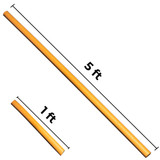
At QRFS, we supply CPVC pipe and fittings designed for reliable, long-lasting fire sprinkler systems in residential and light-hazard commercial applications. These chlorinated polyvinyl chloride (CPVC) pipes and fittings offer exceptional corrosion resistance, cost-effective performance, and compliance with fire protection codes and standards.
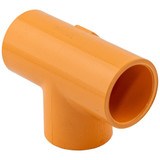
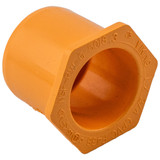
Whether you need CPVC fire sprinkler pipes or various fittings, such as tees, bushings, adapters, and more, our fire protection pipe products are engineered for safety, durability, and ease of installation.
Our CPVC pipe products are purpose-built for use in fire protection and listed and approved for use in residential and light-hazard applications. This thermoplastic pipe and fittings solution is designed and tested to withstand higher temperature and pressure ratings than standard thermoplastics, making it a trusted choice for fire sprinkler pipe material.
Learn more about fire sprinkler pipe materials.
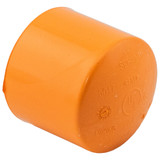
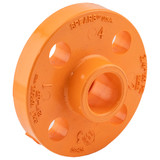
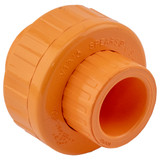
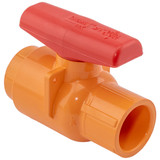
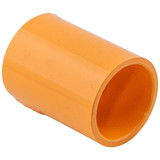
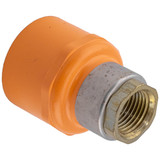
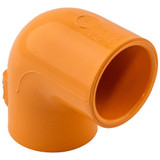
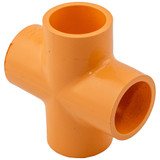
From bushings and caps to couplings, crosses, elbows, and tees, we stock CPVC pipe fittings that enable various fire protection system designs and layouts. Our fittings integrate seamlessly with CPVC pipes to create reliable and leak-free installations. QRFS also carries:
Shop all QRFS CPVC pipe and fittings.
What makes QRFS a leading CPVC pipe and fitting supplier? We provide the expert support to get you the right equipment and the fast shipping to complete projects on time. We partner with top manufacturers to bring you industrialcomponents that meet or exceed essential fire protection requirements.
Whether you’re outfitting a new fire sprinkler system or upgrading an existing one, we have (or will help you source) a solution to fit your specific needs.
Contact us for bulk CPVC orders!
What is CPVC pipe, and how is it different from PVC?
CPVC (chlorinated polyvinyl chloride) is a thermoplastic piping material that has undergone additional chlorination, increasing its heat resistance and strength compared to standard PVC. This transformation allows CPVC to handle the higher temperatures (as well as pressures) found in fire sprinkler systems. Unlike PVC, CPVC is specifically listed for fire protection use and complies with relevant safety standards. Fire-rated CPVC is always orange in color.
Where do NFPA standards allow CPVC pipe to be used?
NFPA 13, 13R, and 13D permit CPVC pipe in specific fire sprinkler applications, primarily in residential and light-hazard occupancies. It may also be used in specific ordinary-hazard applications that are in otherwise light hazard structures.
What are the benefits of using CPVC in fire sprinkler systems?
CPVC is lightweight, corrosion-resistant, and easy to install compared to metal piping like steel or copper. It does not scale or pit over time, helping maintain consistent water flow throughout the system, and its solvent welding joining process is simpler and more efficient than metal connections. These advantages can lead to lower installation and maintenance costs.
What are SDR ratings in CPVC pipe?
SDR (Standard Dimension Ratio) refers to the ratio of a pipe’s outside diameter to its wall thickness. This measurement helps determine the pressure capacity and strength of the pipe. The SDR rating for the CPVC pipes used in fire sprinkler systems is SDR 13.5, which balances durability with flow performance.
What’s the difference between BlazeMaster® and FlameGuard® CPVC?
BlazeMaster® and FlameGuard® are both UL-listed CPVC pipe brands designed for fire sprinkler use, and they share features such as corrosion resistance, smooth internal surfaces, and solvent-cement joining. BlazeMaster offers a slightly higher hydrostatic design basis and greater pressure performance, along with a few lesser installation limitations in unfinished residential basements. FlameGuard provides similar functionality, typically at a lower cost, also making it a practical option for many standard applications.
Is CPVC better than copper for fire sprinkler systems?
Each has certain advantages and disadvantages. CPVC is often preferred over copper due to its lower cost, easier installation, and greater corrosion resistance (though copper is a relatively corrosion-resistant metal). Copper is generally more durable in extreme conditions but is heavier, more expensive, and more labor-intensive to install. The best choice depends on the specific project requirements and environmental conditions.
Can CPVC pipe handle high temperatures in fire sprinkler systems?
CPVC is designed to withstand higher temperatures than standard PVC, making it suitable for fire sprinkler applications. However, it still has temperature limits and must be installed according to manufacturer guidelines and NFPA standards. Excessive heat exposure beyond its rating can compromise performance.
How is CPVC pipe installed in sprinkler systems?
CPVC pipe and fittings are joined using solvent cement, which chemically fuses the parts together. This method creates strong, leak-resistant joints without the need for welding or threading. Proper surface preparation and curing time are essential for a reliable installation.
Are there special care or handling requirements for CPVC pipe?
Yes, CPVC must be protected from prolonged UV exposure, physical damage, and incompatible chemicals. It should be stored in a clean, shaded environment and handled carefully during installation. Following manufacturer guidelines is crucial to ensure long-term system performance.
Why did Tyco stop selling BlazeMaster CPVC, and what does that mean for buyers?
As of this writing, Tyco has transitioned away from direct sales of BlazeMaster CPVC, but the product remains available through other licensed manufacturers and distributors. This change did not affect the material’s listings or performance standards. Buyers can still source genuine BlazeMaster products from trusted suppliers like QRFS.
What types of buildings commonly use CPVC fire sprinkler piping?
CPVC is most commonly used in residential buildings, as well as hotels, offices, and other light-hazard occupancies. These environments align with NFPA rules and the material’s performance characteristics. CPVC is especially popular in residential systems due to its ease of installation and cost efficiency.
How long does CPVC pipe last in a fire sprinkler system?
When properly installed and maintained, CPVC piping can last for decades. Its resistance to corrosion and scaling can help preserve system integrity over time. Longevity ultimately depends on environmental conditions and adherence to installation and maintenance best practices, however.