4.8 / 5
Customer
Satisfaction






Reliable pipe cutting tools and joining accessories are essential for achieving fast pipe cuts, perfect holes, and tight connections, ensuring precise results and a clean finish on every job. At QRFS, we supply high-quality, professional design tools built for fire protection system pipes. Whether you’re working with steel pipe, CPVC pipe, copper pipe, or other materials, our selection helps sprinkler fitters and other pipe-joining pros complete system installations and maintenance efficiently and confidently.
From precise cutting to proper pipe preparation, the right tools improve accuracy, reduce rework, and protect the integrity of a piping system. QRFS stocks dependable solutions trusted by professionals worldwide, all backed by expert support and fast shipping.
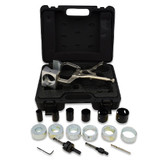
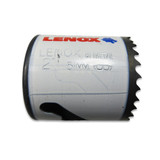
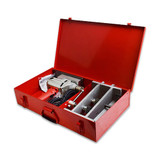
Our pipe-cutting tools are engineered for easy, clean cuts across a wide range of fire protection materials. Designed for durability and accuracy, these devices support precise cutting without compromising safety or efficiency. Options include Pilot Clamps, hole saw blades, and TruDrill® solutions for consistent, professional results.
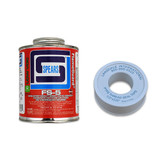
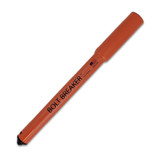
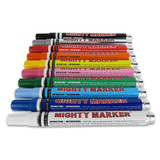
QRFS also offers pipe-installation tools that support efficient alignment, secure connections, and long-term system reliability. Products such as sealants, greases, paint markers, and Boltbreakers help get projects done efficiently and well.
QRFS stocks high-quality tools from the industry’s top manufacturers. Every part in this category is selected with fire protection systems and professional sprinkler fitters in mind. Whether you’re installing new piping or modifying an existing system, our tools help ensure accuracy, speed, and jobsite safety. These solutions enable dependable performance in commercial, industrial, and residential fire protection applications.
Need additional products? Check out our selection of:
You can return to the QRFS home page to see our full selection of fire protection equipment.
What is a pilot clamp, and what does it do?
A pilot clamp is a locking hole-saw guide that helps pipefitters drill consistent, accurate holes in metal and plastic pipe without a drill press. It securely grips the pipe and guides the hole saw, making it much easier to drill in confined spaces and on the jobsite.
When should I use a pilot clamp instead of freehand drilling?
Professionals use a pilot clamp whenever they need a precise hole location and clean results, especially in field conditions where a drill press isn’t practical. It helps reliably guide the hole saw and maintain correct angles on the pipe surface.
What is a Tru-Drill, and what is it used for?
The Tru-Drill is another pipe-drilling tool designed to create accurate, repeatable holes in pipe without a drill press. It uses a guided rack-and-pinion system to keep the hole saw stable, reducing vibration and operator fatigue while improving precision. Tru-Drill tools are commonly used in fire protection and mechanical piping applications where clean, properly aligned holes are critical.
What is pipe joint lubricant, and why is it used?
Pipe joint lubricant is applied to push-on or mechanical joints to make assembly smoother and easier, and to help create a secure connection between pipes and gasket seals. It works with many pipe types, including steel, copper, and plastic, and reduces installation effort.
What is pipe thread sealant, and when should I use it?
Pipe thread sealant (often called pipe dope or paste) is a compound that fills gaps in threaded pipe connections to create a fluid-tight seal and lubricate threads for easier assembly and disassembly. It’s essential whenever threaded pipe joints must be resistant to leakage, especially under pressure.
What is the difference between PTFE and traditional thread seal tape?
PTFE refers to a chemical (the same as the brand name Teflon™) commonly used in thread seal tape or paste; PTFE tape is applied by wrapping around male threads, while paste sealants are brushed on. Both serve the same sealing purpose, but tape can be cleaner to apply.