4.8 / 5
Customer
Satisfaction







Life safety professionals and modern buildings depend on reliable fire alarm testing equipment to ensure that every detection and notification system component works when it matters most. From verifying that duct detectors sample the differential pressure to measuring sound levels and assessing battery performance, these tools help technicians maintain safety and comply with strict industry regulations.
At QRFS, we supply quality products designed for professional fire alarm testing and service. Our solutions help life safety and fire protection pros assess alarm devices, check sensors, measure decibel output, and verify system performance while reducing the risk of false alarms. QRFS delivers dependable tools backed by expert support.
Professional testing tools can help technicians:
These tools are critical for maintaining compliance with NFPA fire protection standards and other life safety requirements.
A duct detector test kit is designed specifically for HVAC duct smoke detectors used in commercial buildings. These duct systems and equipment monitor airflow within a building’s ducts, helping play a critical role in notification and smoke control during fire events.
Duct detector testers help ensure that duct detectors will sense fire conditions. The testers test the air-sampling function of these detectors, verifying that they will function optimally with respect to early smoke detection, rapid alarm activation, comprehensive coverage, and reduced false alarms. Routine testing ensures compliance with fire safety standards while protecting occupants and property.
QRFS carries professional-grade fire alarm testing equipment designed for accuracy, durability, and efficiency. These tools help technicians quickly diagnose issues in alarms, so systems remain compliant and dependable.
Our selection supports the pros who need dependable tools for fire alarm system tests. With fast shipping, knowledgeable support, and industry-trusted products, QRFS makes it easier to keep a detection system compliant and ready to perform.
Browse our complete selection of alarm testing equipment today, including:
You can also visit the QRFS homepage to see our full selection.
What is a duct detector test kit used for?
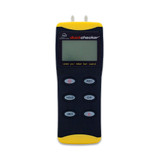
A duct detector test kit verifies that HVAC duct smoke detectors are properly sampling air from the duct system. Tools like the SDi Ductchecker measure pressure levels in ducts to confirm the detector’s sampling tubes are functioning correctly. This helps ensure early smoke detection and reliable alarm activation. Proper testing also helps meet NFPA 72 requirements.
Why is pressure measurement important when testing duct smoke detectors?
Pressure testing confirms that air is flowing correctly through the duct detector’s sampling tubes. A testing device uses a digital manometer to measure pressure differences in HVAC ducts. If the pressure is too low or too high, the detector may not sample air properly and could fail to detect smoke quickly. Accurate pressure readings help ensure detectors respond reliably during fire events.
How do battery testers help maintain fire alarm systems?
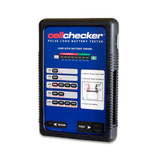
Battery testers verify that backup batteries in fire alarm systems can deliver sufficient power during an outage. Load testers apply a controlled load to simulate real operating conditions and measure battery performance. This helps technicians identify weak or failing batteries before they compromise system reliability.
What is a sound level meter used for in fire alarm testing?
A sound level meter measures the volume of alarm notification appliances to ensure they meet required sound levels. Devices measure sound levels across a range from approximately 32 dB to 130 dB. These measurements help verify that alarms are loud enough to alert building occupants. Accurate sound testing is required by fire alarm codes and standards, including NFPA 72.
What is speech intelligibility testing in voice evacuation systems?
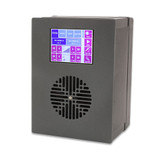
Speech intelligibility testing evaluates how clearly emergency voice messages can be understood during an alarm. Devices like the BTB65 TalkBox generate calibrated acoustic signals and speech samples to test system performance. These signals help determine whether voice evacuation systems provide understandable instructions in an emergency.