4.8 / 5
Customer
Satisfaction







Carbon monoxide (CO) is an odorless, colorless gas that can quickly reach dangerous levels—making detection essential for safety in various buildings. To ensure every CO detector is functioning correctly and can provide early warning, system maintainers rely on carbon monoxide detector testing equipment. At QRFS, we offer a trusted selection of products that help you functionally test these devices, verifying that your CO alarms and system-connected CO detectors are ready to identify this invisible threat.
Proper testing is a critical requirement for any CO safety system—whether portable devices, plug-in units, hardwired alarms, or system-connected sensors. With the right CO detector tools, you can confirm a device’s ability to actually sense carbon monoxide, trigger alerts at the correct level, and maintain coverage that meets code requirements.
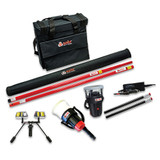
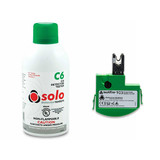
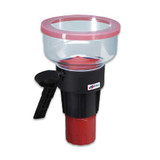
Our collection includes aerosols, cartridges, dispensers, and accessories designed for simple operation and portability, enabling individuals to test numerous detectors efficiently.
Every carbon monoxide alarm tester we carry is engineered for professionals who need portable, fast, and dependable tools. Aerosols and dispensers help testers evaluate how quickly detectors sense CO, verify alarm sound levels, and confirm proper system coverage.
These test kits are ideal for validating a CO alarm's ability to detect even low but relevant levels of carbon monoxide, ensuring the detector provides early warning during dangerous conditions. All options are compatible with assessing various device types, from basic home alarms to system-connected units tied into fire panels. Always check the device manufacturer’s instructions for additional maintenance steps.
A reliable CO tester is essential for inspectors, maintenance teams, and other professionals who monitor life-safety devices and systems. QRFS offers professional-grade test kits and CO testing cartridges compatible with residential, commercial, and industrial CO detection equipment. Whether you are verifying standalone alarms, plug-in units, or components of a fire alarm system that integrates smoke, heat, and CO detectors, our equipment supports accurate, code-compliant testing procedures.
These tools are simple to deploy, easy to carry, and designed to support routine testing. By using a quality CO tester, you gain peace of mind knowing that occupants remain protected against carbon monoxide poisoning.
When you need CO Detector Test Equipment that meets code requirements and enables efficient testing, QRFS delivers. Our gear is trusted by life safety professionals and facility managers who must ensure every device functions properly. At QRFS, you can shop for CO test kits, cartridges, dispensers, and accessories.
Need different testing tools?
1. Why is CO detection important in buildings?
Carbon monoxide is colorless, odorless, impossible to sense without dedicated detection equipment, and deadly. Various fuel-burning appliances, vehicles, or machinery can create CO, making properly installed detectors essential for occupant safety. In addition, NFPA 72: National Fire Alarm and Signaling Code® and various locally applicable codes and regulations may mandate the presence of CO detectors and/or alarms, plus their regular inspection, testing, and maintenance.
2. Where should CO detectors be installed?
Placement depends on equipment and occupancy type, but detectors are commonly required:
NFPA 72 and local building/fire codes guide specific placement rules, so consult with a local life safety/fire protection pro or your authority having jurisdiction (AHJ).
3. Does pressing the “test” button constitute a “functional” CO test?
No — pressing the test button typically only verifies the alarm circuitry, power supply, and buzzer. It does not verify the CO sensor’s accuracy or response to actual CO gas. True “functional testing” requires introducing a controlled (test-gas) stimulus to ensure the sensor works as intended.
4. Is CO detection equipment integrated with a fire alarm system?
Yes, but not always. Many CO detectors are designed to tie into a building’s fire alarm or supervisory system. Integration supports centralized monitoring, occupant notification, and automatic control functions such as activating ventilation. These are known as "system-type detectors" and require annual functional testing, during which CO gas is introduced into the sensing chamber to ensure the device works. There are also standalone CO alarms, which are more commonly found in small businesses and homes.
5. Do CO detectors or sensors expire?
Yes. Electrochemical CO sensors naturally degrade and must be replaced regularly. Various devices may last 5 to 10 years, depending on the model, and many of them include end-of-life or trouble indicators. Regardless, regular functional tests with aerosol CO gas will definitively identify equipment that no longer works.
6. Who is responsible for testing CO detection equipment?
The building owner or their designated representative (by contract) must ensure detectors are inspected, tested, maintained (ITM), and recalibrated or replaced when codes and regulations require it. The requirements are based on the nature of the system and the CO sensing equipment, and you can read more about them here. The individual who conducts tests must be considered “qualified” to do so by the local authority having jurisdiction (AHJ) and is often a fire protection or maintenance pro. However, the building owner or representative remains responsible for compliance.
7. What are common sources of CO in buildings?
Boilers, furnaces, water heaters, commercial kitchen appliances, generators, and vehicle sites like garages or loading zones can all produce CO. Poor ventilation or equipment malfunctions increase the risk. Carbon monoxide is particularly dangerous in areas where people sleep, as it can stealthily incapacitate and kill before symptoms are even noticed.
8. How often should CO detectors be tested or inspected?
System-connected CO detectors (i.e., those tied into a building control or alarm panel) should undergo functional testing annually per NFPA 72. In addition to annual tests, many maintenance checklists recommend semi-annual visual inspections (checking power indicators, wiring, mounting, end-of-life signals). For standalone CO alarms (battery- or mains-powered with a backup battery), it is common practice (and usually specified in manufacturers' instructions) to test them monthly (or at least every few weeks) to verify basic alarm operation and the power supply. These tests are not functional tests with aerosol CO, though device owners can conduct functional tests on CO alarms as well.