4.8 / 5
Customer
Satisfaction







Water-based fire protection systems require reliable, code-compliant fire sprinkler switches that support electronic supervision and fire alarm integration. These electric supervisory devices monitor a fire sprinkler system, detect critical changes in valves, water flow, or pressure, and immediately signal a control panel to deliver an alert.
At QRFS, we stock sprinkler tamper switches, water flow switches, and pressure switches from trusted manufacturers. Whether you're installing a new system or performing maintenance on an existing system, our devices accurately monitor control valves, air pressure, and water supply conditions to prevent system failure and protect life and property during a fire emergency.
Modern fire sprinkler switches are essential components in fire sprinkler systems. These devices are installed on valves or piping to detect changes that signal system changes, including sprinkler activations, or could impair system performance.
When connected to a fire alarm bell and/or fire alarm control panel, supervisory switches transmit signals that alert building occupants and/or monitoring services to abnormal conditions. This electronic supervision ensures compliance with fire protection codes and standards, including those from the National Fire Protection Association.
From immediately identifying a shut-off system via a closed control valve to detecting unexpected water flow, each switch acts as a sensor and indicator designed to maintain system integrity and code compliance.
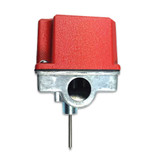
Sprinkler tamper switches—also known as valve supervisory switches—monitor the open or closed position of control valves, including outside screw and yoke valves, butterfly valves, and post indicator valves (PIVs). If a valve is partially or fully closed, the device triggers a supervisory signal.
These valve supervisory switches help prevent system impairment by detecting unauthorized or accidental valve closure that shuts off a system, which is the leading cause of sprinkler system failure during a fire.
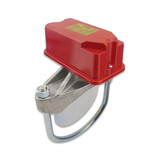
Water flow switches detect the movement of water through the sprinkler piping system during a leak or fire event. When heat causes a sprinkler head to activate, water flow lifts an internal float or paddle, activating the switch and sending an alert to the control panel.
This rapid detection supports faster emergency response and helps protect occupants and property. Many models include retard mechanisms to prevent false alarms caused by pressure surges.
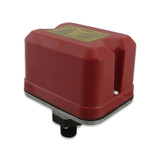
Pressure switches monitor air pressure in dry-pipe systems and water supply pressure in wet systems. A drop or rise in pressure can indicate a leak, temperature fluctuation, or system activation.
When pressure conditions fall outside normal parameters, the switch activates and sends a signal to the fire alarm control panel. These devices are critical for maintaining proper system control, detecting sprinkler activation, and ensuring the system is ready during a fire emergency.
At QRFS, we make it easy to find the right fire sprinkler switches for your application. Every device we offer is designed to meet code requirements, support accurate supervision, and integrate seamlessly with your system.
Need help selecting the right component? Contact our team for expert guidance—and get the fast shipping and dependable service you expect from QRFS.
If you require related parts, check out our:
You can also return to the QRFS home page to view our complete selection of fire protection equipment.
What is a water flow switch in a fire sprinkler system?
A water flow switch, sometimes called a water flow detector, senses the continuous flow of water through sprinkler piping and sends a signal to an alarm panel or monitoring system when water moves through the system. It uses a paddle or vane that triggers at flows typically above 10 GPM, indicating activation of a sprinkler head or a significant leak.
Why are tamper switches used in fire protection systems?
Tamper switches monitor the position of control valves like OS&Y or butterfly valves to ensure they remain in the proper (open) position—ensuring the system is on and ready to fight a fire. If a valve moves from its normal position, the switch sends a supervisory signal, alerting personnel to potential impairment. These switches help maintain system readiness and compliance with fire code requirements.
How do flow switches differ from pressure switches?
Flow switches detect actual water movement through the sprinkler piping, indicating a sprinkler has activated or water is draining. Pressure switches monitor the air or water pressure in a system and trigger a signal when pressure rises or falls outside normal limits. Each serves specific supervisory functions in different fire protection applications.
What’s the difference between a tamper switch and a supervisory switch?
A tamper switch specifically monitors valve positions to detect unauthorized closure or movement. A supervisory switch is a broader term that can include tamper switches and other devices that monitor system conditions requiring supervisory signals to the fire alarm panel. Essentially, a tamper switch is one type of supervisory switch.
Can a flow switch cause false alarms?
Yes, flow switches can trigger false alarms if they respond to temporary pressure surges or turbulence in the pipe rather than sustained flow. That’s why many devices include a delay mechanism to ensure the alarm only activates during a continuous flow event, reducing false activations.
Where are flow switches typically installed in a sprinkler system?
Flow switches are usually mounted on the main sprinkler line or branch lines where there is room for service and where they won’t be damaged. They are generally positioned sufficiently above the floor and away from fittings to avoid anything that might interfere with accurate flow detection. Proper placement ensures reliable performance and easier maintenance.