4.8 / 5
Customer
Satisfaction







Maintaining fire safety and compliance with fire protection requirements in many buildings depends on regular, reliable smoke detector testing. QRFS carries a complete range of smoke detector testers designed for code-compliant, annual functional testing of smoke, CO, and heat detectors. Whether you're servicing large fire alarm systems, conducting routine assessments, or checking hard-to-access devices, these tools help you verify functionality and sensitivity.
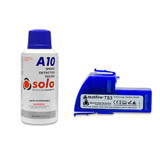
Our collection includes industry-leading products such as Solo 365, Solo 330, Solo 332, Solo A10, and multi-stimulus solutions like Testifire. These items work with nearly all major detector manufacturers and types, ensuring accurate testing for a wide range of fire detectors and environments.
An aerosol smoke detector tester helps technicians perform a proper functional test—the method recognized by codes and standards to verify a true detector response in a real emergency. Using tools like SOLO aerosol dispensers, cartridges, and cans provides safe, repeatable assessments that won’t damage sensitive components.
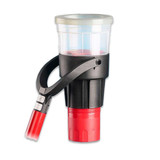
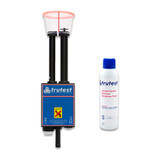
QRFS offers portable, handheld devices engineered to deliver the right concentration of test smoke. Products such as the Solo 330 and Solo 332 dispensers allow clean, controlled application using aerosol cans, while the Solo 365 uses advanced smoke cartridges for activation. For techs who need multi-technology testing in the field, the Testifire line combines smoke, CO, and heat detector testing in a single device, streamlining your workflow and reducing the total equipment you need to carry.
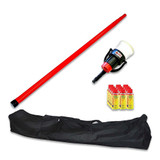
Fire protection professionals rely on dependable tools to maintain every component of modern fire alarm systems. QRFS supplies detector testers for various devices — smoke, heat, and CO detectors — that can handle hard-to-access ceilings, open-structure architecture, and sensitive commercial environments. With the proper lightweight extension pole and aerosol dispenser attachment, technicians can safely reach detectors up to 30 feet.
Our recommended solutions work seamlessly with systems found in office buildings, warehouses, schools, hospitals, and industrial facilities. Whether you’re conducting acceptance testing, annual functional testing, or troubleshooting detector performance, this equipment meets the requirements found in codes, standards, and manufacturers’ instructions for assessing most detectors.
Choosing the right fire alarm smoke detector testing equipment helps ensure accurate results, technician safety and efficiency, and long-term reliability. We offer complete smoke detector test kits, extension poles, CO and heat detector testing products, and replacement components designed for fast field service. Tools like Smoke Centurion and the Solo lineup are engineered to withstand the demands of high-volume, commercial testing schedules.
Our products provide essential features:
For additional equipment options, check out:
Visit the QRFS homepage to view our full inventory of fire protection equipment. Need something you don’t see online? Contact us!
1. How often should I perform functional smoke detector tests with simulated smoke?
NFPA 72: National Fire Alarm and Signaling Code® requires annual functional testsof system-type smoke detectors that are networked with an alarm system, plus following all the instructions from the detector manufacturer.
2. Why should I use a “smoke-in-a-can” (or cartridge) aerosol instead of simply relying on the test button?
Because only aerosol or real smoke can confirm that the detector senses particles — verifying that smoke can enter the sensing chamber, trigger the sensor, and sound the alarm — and ensure proper detection during an actual fire. The device’s test button only verifies the power supply and alarm circuitry.
3. Do all types of smoke detectors react to “smoke in a can” aerosol equally?
Most common types — including ionization and photoelectric smoke detectors — are compatible with UL-listed synthetic aerosol smoke testers. These aerosols are formulated to mimic real smoke and avoid damaging detector plastics.
4. How do I safely test detectors in hard-to-reach places, like high ceilings?
You can use an aerosol smoke tester in combination with a telescoping extension pole and a dispenser head. This allows applying the synthetic smoke directly into the detector without or with a ladder, making testing safer and more efficient.
5. Does a smoke detector need sensitivity testing as well as functional testing?
Yes — for many commercial or multi-unit installations, sensitivity testing is required periodically to ensure the detector triggers within the correct smoke-concentration range. Over time, sensitivity can drift due to dust, age, or wear. You can read this blog to learn more.
6. What happens if a detector fails a functional or sensitivity test?
If a detector fails sensitivity testing or doesn't respond appropriately to aerosol smoke, a pro can first attempt cleaning it (sensor chamber, vents, etc.). If the unit still fails, it could be recalibrated (if possible, per the manufacturer) or replaced to ensure proper fire protection and code compliance. In all cases, the failure must be clearly documented and remedied.