4.8 / 5
Customer
Satisfaction







Standpipe and fire sprinkler check valves are essential components that prevent flow reversal and help maintain proper system function. As a fire protection check valve supplier, QRFS stocks multiple FM Approved and UL Listed options engineered for reliable performance in a wide range of applications. From main sprinkler risers to floor control assemblies, these valves help reduce unwanted backflow and support code-compliant installation in accordance with NFPA standards.
QRFS provides fire sprinkler check valves in a variety of available sizes, materials, and configurations to meet system requirements. Whether you need a heavy-duty check valve for a commercial sprinkler riser or a compact inline model for tight spaces, our inventory covers both commercial and residential applications. Each valve helps protect the system by maintaining forward water movement and supporting backflow prevention.
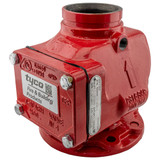
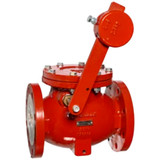
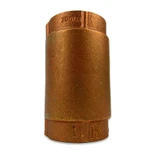
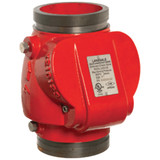
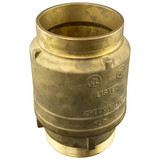
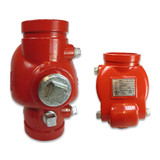
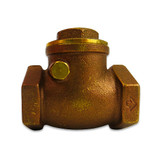
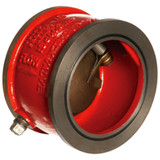
Our selection includes the most commonly used styles in fire sprinkler systems, ensuring you get the right product for your pipe configuration. Choose from riser check valves, wafer check valves, swing check valves, brass check valves, and inline check valves, all designed to support proper flow direction and system reliability. Varying models feature grooved, NPT threaded, and flanged ends for easy integration into new or existing piping.
As a trusted fire protection check valve supplier, QRFS delivers high-quality, listed components ready for fast shipment. Every valve and manufacturer is selected for durability, compliance, and long-term performance. Our team can also help you match the right valve to your system based on connection type, pressure specs, and other installation details, helping ensure a smooth purchasing experience.
Feel free to also check out related items:
Need something else? Return to the QRFS home page to see our complete inventory.
What is a check valve, and why is it used in fire sprinkler systems?
A check valve is a one-way valve that allows water to flow forward into a fire sprinkler system or a portion of it while preventing water from flowing backward. NFPA 13 requires check valves in specific locations—including on system risers and floor control assemblies—to prevent reverse flow that could compromise system pressure or contaminate the water supply.
How do check valves work?
Check valves contain an internal clapper, disc, or similar mechanism that opens when water flows in the correct direction and closes automatically against reverse flow. NFPA 13 recognizes check valves as an approved means of preventing reverse flow in sprinkler systems and requires them where differential pressure conditions must be maintained.
What is a shotgun riser check valve?
A shotgun riser check valve is a specialized check valve designed for use at the fire sprinkler riser, typically featuring ports for gauges, drains, and other trim components. This design simplifies installation because the valve supports various required riser functions within a single assembly. NFPA 13 requires system risers to include means for pressure monitoring and drainage, and shotgun riser check valves help meet those requirements while also serving as a check valve and reducing installation complexity.
Where are check valves typically installed in a fire sprinkler system?
Check valves are commonly installed at system risers, floor control assemblies, and at points where water could otherwise flow backward into another part of the pipe network. They are also used upstream of zone control valves and sectional isolations. NFPA 13 specifies check valves in riser assemblies, on feed mains supplying multiple systems, and at any point where backflow or pressure loss could affect system performance.
How does a swing check valve differ from other check valve styles?
A swing check valve uses a pivoting clapper that swings open with water flow and shuts when reverse pressure occurs. This design offers low friction loss and is ideal for larger pipe diameters or high-flow applications. NFPA 13 permits swing check valves provided they are listed for fire protection service and installed in the correct orientation to ensure proper clapper operation.
What should be considered when selecting a check valve?
Key considerations include pipe size, material, connection type (grooved, threaded, or flanged), available trim options, and whether the valve is UL Listed or FM Approved. System designers also consider friction loss and how frequently the valve will be tested or accessed. NFPA 13 and NFPA 24 require all check valves to be listed and properly sized so that they do not restrict required system flow or impair hydraulic performance.