









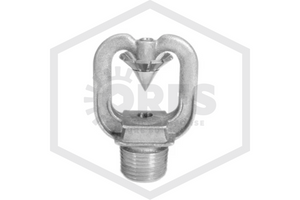



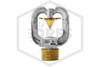

The TYCO PROTECTOSPRAY D3 open spray nozzle is intended for directional water application in fixed fire-protection systems, delivering uniform coverage and dependable operation in high-exposure areas.
PRODUCT OVERVIEW
Designed for use in deluge and water-spray systems, the nozzle produces a stable spray pattern to absorb heat, limit re-ignition, and protect adjacent equipment and structures. A matched orifice/deflector geometry (per the product’s listing) promotes consistent droplet formation across the system’s operating pressure range, while the compact body simplifies installation in congested mechanical spaces.
Typical applications include exposure protection for process vessels, electrical transformers, and structural steel, as well as conveyor and material-handling lines where controlling fire spread is essential. The nozzle is also suitable for localized protection of pumps, compressors, and other rotating equipment, and for broader coverage in tunnels, canopies, and exterior washdown or loading areas. Final performance depends on hydraulic calculations and system design that ensure adequate flow, pressure, spacing, and orientation.
LISTINGS AND APPROVALS
The PROTECTOSPRAY D3 nozzle carries applicable third-party certifications (e.g., cULus Listing, FM Approval, and local jurisdictional approvals where marked). Use is limited to the scope of the published listings and the requirements of the applicable design standards.
INSTALLATION AND MAINTENANCE
Install in accordance with the manufacturer’s instructions and the governing standard. Tighten only with the specified wrench and torque values to prevent leakage or damage. Orient the deflector exactly as shown on the system drawings, protect the waterway from debris during construction, and remove any protective caps before acceptance testing. Improper installation may impair spray distribution and reduce system effectiveness.
Include the nozzle in routine inspection, testing, and maintenance programs. Verify that spray openings are unobstructed, mounting is secure, and no changes to equipment or structures have introduced new obstructions. Replace any nozzle showing corrosion, blockage, or physical damage. Where required by standards or the Authority Having Jurisdiction, conduct full-flow testing to confirm system readiness and performance.