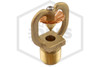










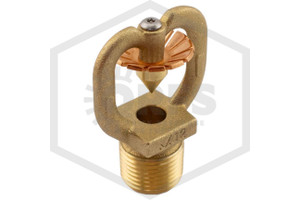





This open FireLock spray nozzle is designed for directional water application in fixed fire protection systems, delivering consistent performance in high-exposure areas where uniform coverage and dependable operation are critical.
PRODUCT OVERVIEW
Engineered for use in deluge and water spray systems, this nozzle provides a stable spray pattern that helps absorb heat, limit re-ignition, and protect surrounding equipment and structures. The matched orifice and deflector design creates a uniform droplet formation across a range of pressures, while the compact body makes installation practical even in tight mechanical rooms. Constructed entirely of durable metal, the nozzle is built to withstand harsh service conditions without compromising performance.
Common applications include exposure protection for process vessels, transformers, and steel structures, as well as conveyor and material handling lines where fire spread must be controlled. It is also suitable for localized protection of pumps, compressors, and rotating equipment, and for wider coverage needs in tunnels, canopies, and exterior washdown areas. In all cases, hydraulic calculations and system design must ensure adequate flow, pressure, and spacing to maintain full effectiveness.
LISTINGS AND APPROVALS
This nozzle carries multiple certifications that validate its reliability in fixed fire protection systems. It is cULus Listed and FM Approved. Use is limited to the scope of its published listings and the requirements of the applicable design standards.
INSTALLATION AND MAINTENANCE
Proper installation is essential to ensure reliable spray performance. The nozzle must be tightened only with the manufacturer’s wrench and torque values to prevent leakage or damage, and the deflector should be oriented exactly as shown in the system design drawings. During construction, protect the waterway from debris and remove any protective caps before acceptance testing. Incorrect installation may impair spray distribution and reduce system effectiveness.
Once installed, the nozzle should be included in routine inspection and testing programs. Inspectors should confirm that the spray openings remain unobstructed, that mounting is secure, and that no equipment or structural modifications have introduced obstructions. Any nozzle showing signs of corrosion, blockage, or physical damage should be replaced immediately. Where required by standards or local authorities, full-flow testing should be performed to verify system readiness and performance.